
How to Search the Philadelphia Court Docket
The city offers no municipal case-search form. Its official pages cover government contacts rather than party names, case numbers, dates, or payment fields. Start with the notice itself and separate a city ordinance matter from a Loudon County case.
- Read the citation or summons for “Philadelphia,” an ordinance reference, or a named county court.
- For a city matter, use the official City Hall contact page and ask for the current recorder or court-record custodian.
- For a county matter, search Loudon TNCIS under the named county office.
- Provide the full reference, name, and date range when requesting a record.
- Confirm the setting and mailing address before sending records or payment.
TNCIS gives you no way to pick Philadelphia as a municipality. A missing county result, in other words, cannot tell you whether a city record exists.
No Philadelphia Docket Portal Located
Philadelphia has an official web presence, but no public municipal docket, calendar, citation lookup, payment service, or export of any kind. Saying so plainly beats stretching a county form and calling it a city search.
Quick answer: Contact Philadelphia City Hall for ordinance records. Use Loudon County TNCIS only for records held by a county court.
Ask the current city office directly for a docket printout, judgment, receipt, or certified copy of a case history. The city publishes no copy fee or certification process.
The Philadelphia Municipal Court Route
MTAS lists Philadelphia as an incorporated Loudon County city. Its code has a Title 9 that covers motor vehicles and traffic. That tells you a municipal subject exists. It does not prove a current judge, clerk, fee, or hearing process.
Current city pages describe no working municipal court interface. So for any Philadelphia ordinance or traffic record, ask City Hall. Ask whether the city keeps it, or whether it was filed with Loudon County General Sessions.
The Philadelphia city homepage is the official place to start.

Philadelphia Court Docket Address Conflict
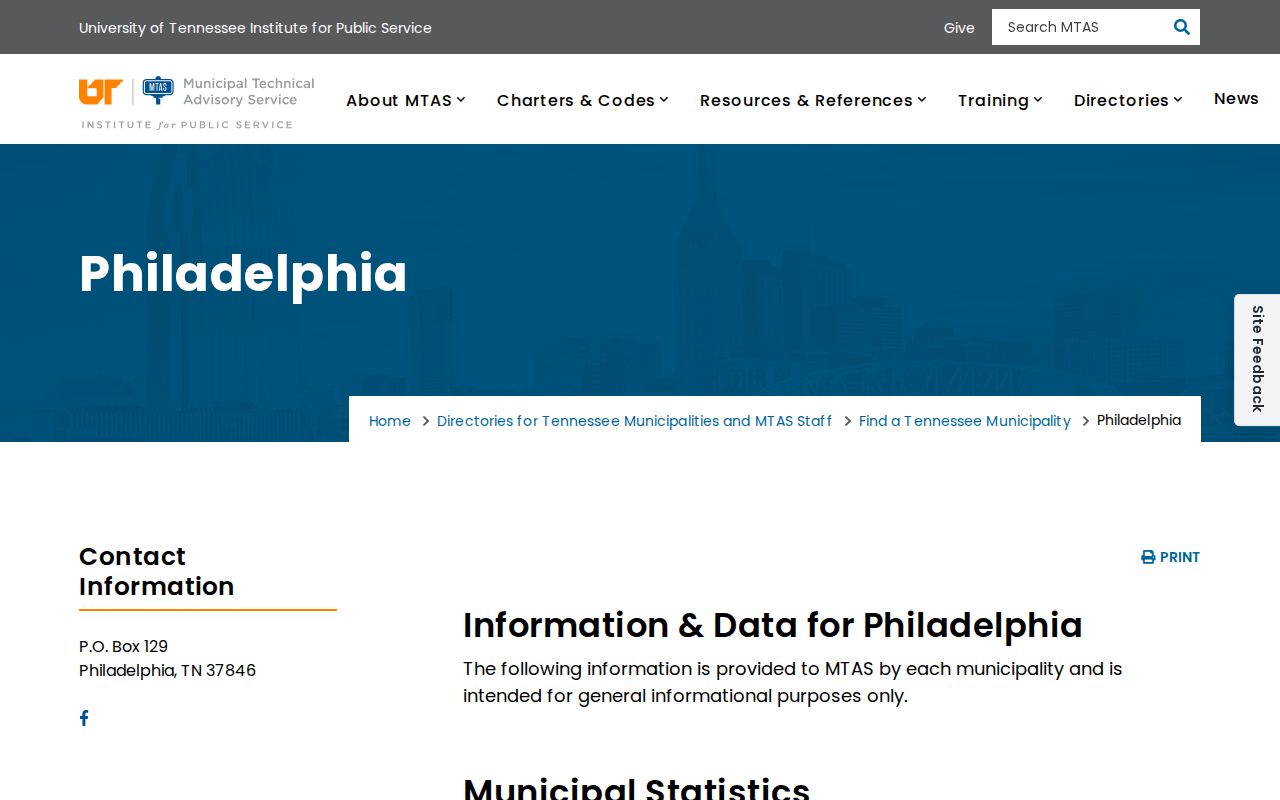
Here is a snag worth knowing. The city contact page puts City Hall at 808 Church Street, Philadelphia, TN 37846, with P.O. Box 10. MTAS lists P.O. Box 129 instead. Both sources are official or local-government, yet they conflict, so confirm the mailing address before you send a request, check, or original document.
| Source | Published contact | Safe use |
|---|---|---|
| City contact page | 808 Church Street; P.O. Box 10 | Current civic contact starting point |
| MTAS profile | P.O. Box 129 | Government context that needs address confirmation |
| Loudon County clerk | County courthouse or Justice Center | County-held case records only |
Don't just pick one box and assume it's right. A quick phone call or web check keeps your mail from going astray.
Philadelphia Court Dates and Settings
The city posts no public calendar, court hours, courtroom, or judge roster. Rely on the citation or a later notice, and ask the current office to confirm any date. County schedules matter only when the paper names a county court.
| Date | The city or county notice, verified by its issuing office. |
|---|---|
| Time | No recurring Philadelphia municipal docket time was published. |
| Location | City Hall is a civic contact, not a confirmed courtroom. |
| Judge | No current municipal judge was verified. |
| Setting Type | Use the ordinance, traffic, criminal, or civil label on the paper. |
Nothing public covers terminals, parking, security, interpreters, recording, remote hearings, or ADA arrangements. Confirm those details before you travel.
Philadelphia City Hall Starts Requests
The official City Hall page is the safe contact source.
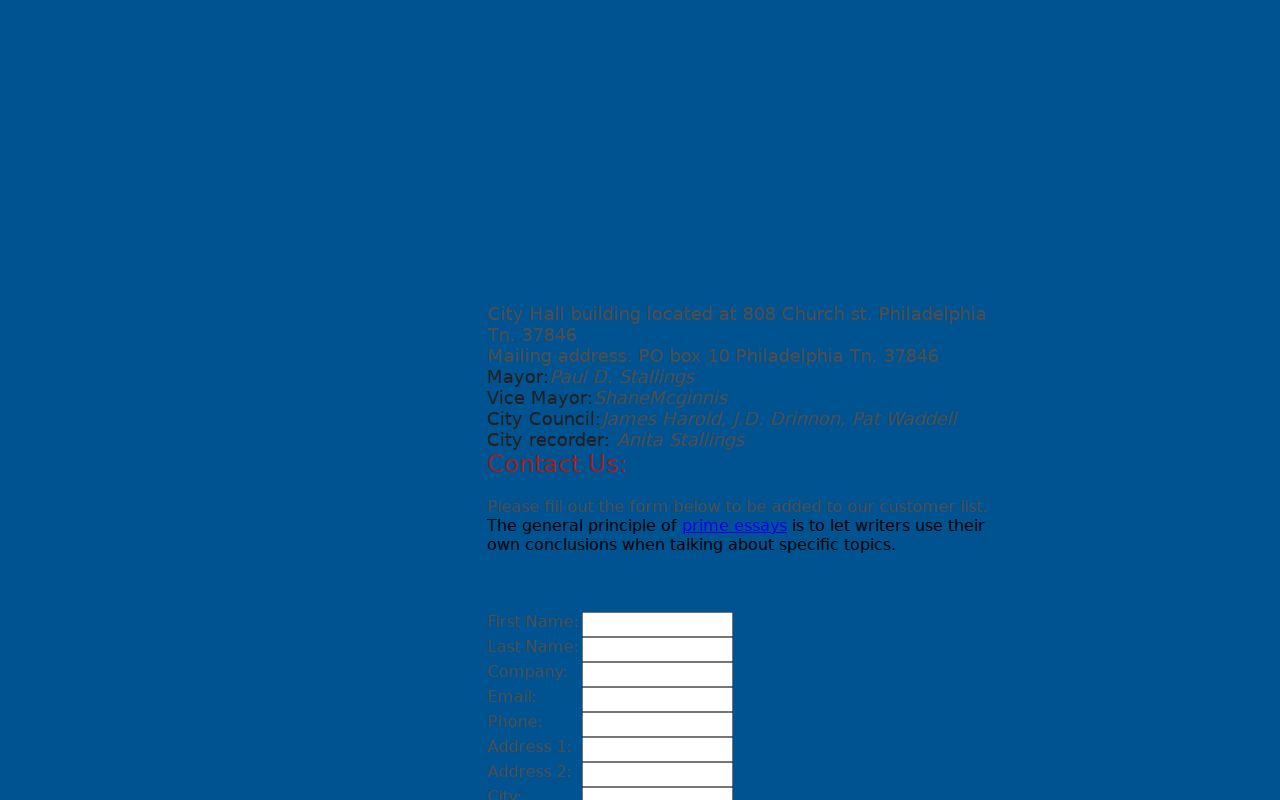
Keep your request narrow. Name City Court or ordinance records. List the ordinance or citation number and the date range. Add the full record name and the format you want. Ask whether you can inspect the file before paying for copies. Also request an itemized estimate.
If City Hall says Loudon County holds the matter, get the exact court and clerk that received it. That answer beats guessing from a town name.
Philadelphia Court Docket Traffic Tickets
Title 9's traffic subject is only a structural clue. It can't tell you whether a given citation is payable, contested, scheduled, or still open. Read the issuing court on the ticket.
| Ticket names | First route | Important limit |
|---|---|---|
| Philadelphia ordinance or city authority | Current City Hall custodian | No public city citation lookup found |
| Loudon General Sessions | TNCIS and Justice Center | County portal has no city filter |
| Circuit or Criminal Court | Circuit Court Clerk | Separate county case file |
Philadelphia has no payment portal and no universal deadline. Never mail payment to an unverified address, and don't assume paying cancels an appearance duty. For county citations, use the Loudon County traffic court route.
Philadelphia Code Is Not Docket
MTAS dates the Philadelphia city code to January 1, 1990. It identifies Title 9 as Motor Vehicles and Traffic. An old compilation can explain how the code was built. It cannot establish current court practice in 2026.
Nor does a code show case events. It has no live filing dates, settings, status changes, payments, or document images. Only the current office can hand you the record itself.
- Municipal code
- A compilation of city rules, distinct from a case register.
- Docket
- The chronological court record of filings, settings, orders, and outcomes.
- Disposition
- The recorded outcome of the matter.
- Custodian
- The office responsible for maintaining and producing a record.
Never infer a current fee, judge, or warrant practice from an old code title.
Philadelphia Population Figures Differ
The population figures disagree. Each carries its own date. TACIR's table projected 807 residents for 2020. MTAS lists a 2025 certified population of 607 and a 2010 count of 656. Treat the projection as a projection, not a current tally. The MTAS Philadelphia profile backs the certified figure and city context.
No official Philadelphia court count exists. Population alone can't be turned into filing volume or a claimed docket size.
Where Philadelphia Court Cases End Up
A city ordinance record starts with Philadelphia's own office. State-law traffic, criminal, and limited civil matters usually go to General Sessions. Major criminal and civil cases land in Circuit or Criminal Court, while Chancery and probate files sit with the Clerk and Master.
Docket flow: Philadelphia municipal route › Loudon County Courts › Circuit Court
Think of this as a map, not a promise that every record hits each tier. Confirm any transfer or appeal in the clerk's history. The Loudon County court docket page explains county routing in detail.
Philadelphia Written Docket Request
No dedicated city public-records form exists. A short written request still helps the current recorder find what you need. Begin with the official City Hall contact, and verify the postal address first, since the two published boxes conflict.
- Name Philadelphia City Court or ordinance records
- Give the citation or ordinance number if known
- State a focused date range
- Request inspection, a plain copy, or certification
- Ask for an estimate before copies are made
When the city portal shows nothing, that gap proves little. Ask whether the filing actually sits in General Sessions or in another county court before assuming a case was dismissed, sealed, or never existed.
Philadelphia County Search Fields
TNCIS gives a county case several ways in. You can search by party name or case reference, narrow by Case Year and Case Number, pick the court office, and choose Criminal or Civil as the case type. A Turnstile step guards the portal. Search Help offers one useful tip: type only the final numeric portion of a formatted case number into the number field.
The portal can sort what comes back and apply a literal filter. Expect many rows. The terms also warn that data can be incomplete or stale, so treat a result as a lead rather than the last word. This is a county tool. It does not search Philadelphia municipal cases.
Phone works when the screen does not. Call Circuit or Criminal at (865) 458-2042, General Sessions at (865) 986-3505, or Clerk and Master at (865) 458-2630, depending on which office holds the record. To see a county file in person, go to the courthouse or Justice Center. Philadelphia City Hall is not the place for county records.
Public Access to Philadelphia Court Records
Tennessee Supreme Court Rule 34 sets the framework for public access to court records. It also recognizes that some information is confidential or sealed. A request for a city record must go to the municipal custodian. For a county case, ask the county clerk who holds the file.
Key rules:
Tennessee Supreme Court Rule 34 addresses public, confidential, and sealed court records.
Philadelphia City Hall is the official starting point for municipal custodian confirmation.
Not everything is open. Juvenile, sealed, and protected data may be withheld from a court docket search. Get certified records from the clerk where the case began, and confirm current settings with that office directly.
Missing Philadelphia Court Docket Result
The city publishes no online search box. So a Philadelphia ordinance may simply have no docket result to find. Skip the screen and contact the city custodian. Give the ordinance or citation reference, your full name, and a date range. Ask whether the city keeps a docket, disposition, judgment, or payment record for it.
A county case is different. Review the TNCIS choices first. Search the office named on your notice. Set the right Criminal or Civil category, and try the name, filing-year, or case-number route the portal supports. A close name match alone proves nothing about identity or current status, so treat it cautiously.
Still blank? Call the clerk. The case may be newly filed or indexed under a different reference. It could sit in another office, or be too old for the portal. It might be sealed, confidential, or simply outside the county system. An empty search never means dismissal, so do not assume one. Ask the office to confirm the current setting. Also ask how to inspect or copy the file.
Keep a short note of every contact: the court name, any new case reference you learn, and where you were sent. That helps most when Philadelphia City Hall points a municipal question toward Loudon County. Before mailing anything, confirm the receiving clerk. City Hall and MTAS list different Philadelphia post-office boxes.
Philadelphia Docket Copy Check
Before you pay for a copy, get the details straight with the clerk. Ask which court holds the record and the case number. Ask how many pages it runs and the fee. Find out whether a certified copy is an option too. Settle the mailing address in that same exchange with the clerk. That one conversation keeps a city request from landing at a county office or the wrong Philadelphia post-office box.
When the record arrives, hold it up against your original notice. Match the court heading and the citation or case number. Check the newest event listed too. If the copy shows an older hearing date, call the clerk and confirm the current setting, because a historic docket entry never cancels a later order.